Logo vs visual identity: what does your business need?
A logo identifies a business. A visual identity gives its everyday communication shared rules. Use your actual applications to choose the right scope.
Ali Komeili
2026-10-16
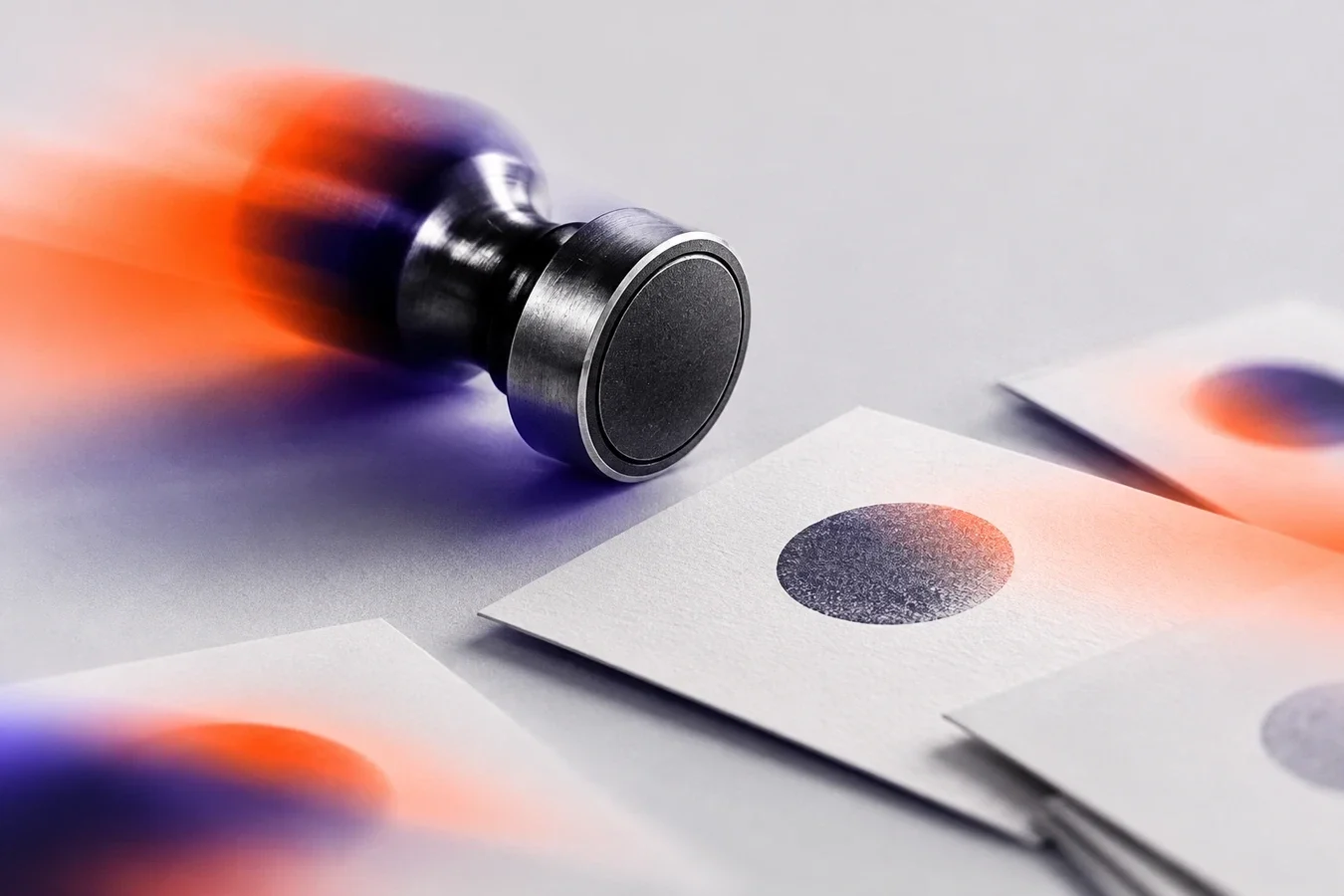
“We need a logo” can describe two different problems. Sometimes the business needs an identifying mark. Sometimes its packaging, website and social posts feel unrelated. Those problems overlap, but commissioning a new mark does not automatically solve the second one. ## What a logo does A logo helps identify the business. It may be a symbol, a wordmark or a combination. It needs usable versions for the contexts where it will appear, rather than a single attractive image on white. Discuss vector files, one-colour use, small sizes and any required arrangements before agreeing the scope. The logo alone does not decide how to lay out a menu or a product label. Those decisions still exist, even if they have not been written down.
## What a visual identity adds A visual identity defines relationships between elements: colour roles, typography, imagery and layout. A useful guide helps another person make a new piece of communication without starting every decision again. Consider a hypothetical café that needs a sign, takeaway cup, menu and weekly posts. Placing the same logo on each is only part of the job. Type hierarchy, image treatment and spacing can help them belong together. The right scope depends on what that café will actually use, rather than a catalogue of every possible branded item. ## When a focused logo project makes sense If the existing visual language works and the mark is the weak point, a focused logo project may be sufficient. Place a few real applications side by side: the website header, profile image, a printed piece and a social post. Is the repeated problem the mark itself, or the decisions around it? When several people regularly make content, or the business is adding products and channels, shared rules become more valuable. That does not mean buying every application at once. Start with the ones you need soon and phase the rest.
## Compare deliverables rather than mockup counts “Complete identity” is not a precise scope. Ask which decisions are included, which applications are designed and which files are handed over. Clarify revisions, approval, editable files and font licensing. Trademark clearance is a separate specialist question; a distinctive-looking design is not proof of legal availability. The [MIT Brand Guide](https://brand.mit.edu/) is a public example of a system extending beyond a logo. Its rules are specific to MIT; it is not a package list for another business. ## Choose from the work ahead Make a short list of what the business needs to produce in the next three months. If a usable mark resolves the problem, keep the project focused. If the team repeatedly invents its visual language from scratch, a logo replacement alone is unlikely to be enough. [Logo design](/services/logo-design) focuses on the mark and agreed versions. [Brand identity design](/services/brand-identity) also addresses the relationships and applications included in the brief. Choose the scope that fits the actual work.
- logo design
- visual identity
- design scope